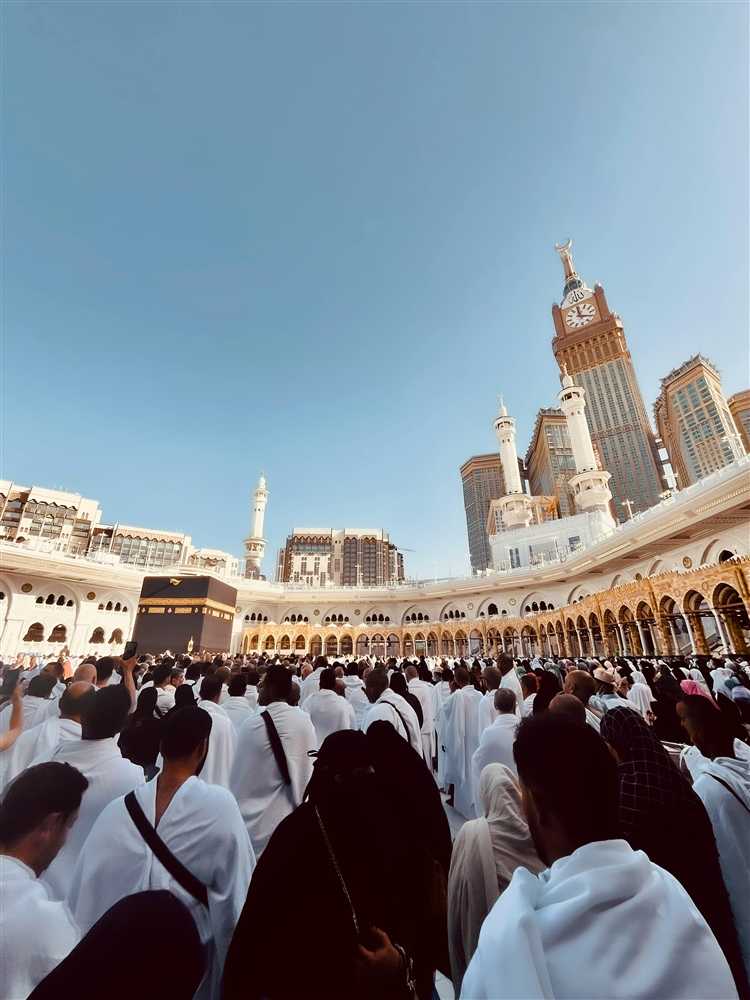
What is Umrah and Its Significance
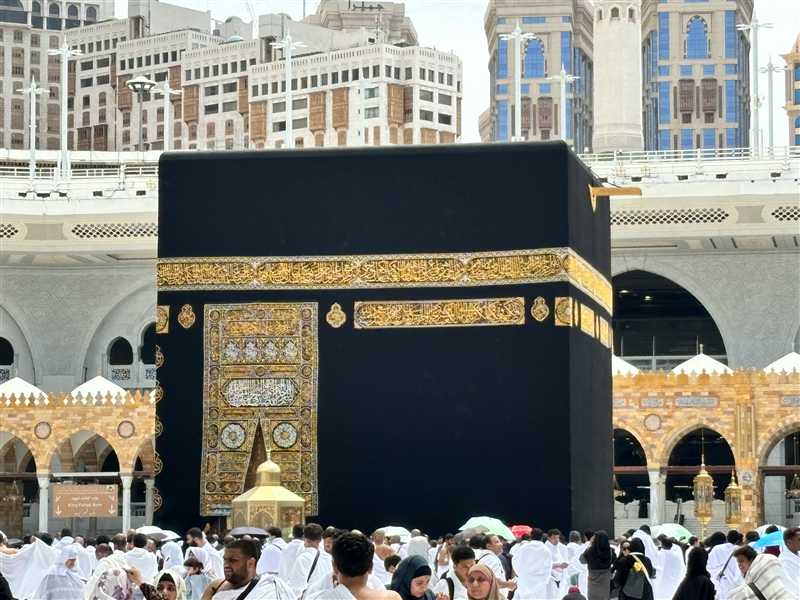
Umrah is a pilgrimage to the holy city of Makkah that can be performed at any time throughout the year, unlike Hajj which occurs only during specific days in Dhul-Hijjah. The word "Umrah" linguistically means "to visit a populated place," and in Islamic terminology, it refers to visiting the Kaaba and performing specific rituals with the intention of worship.
Difference Between Hajj and Umrah
While both Hajj and Umrah involve pilgrimage to Makkah, several key differences distinguish them. Hajj is one of the five pillars of Islam and obligatory for those with the means, while Umrah is a recommended Sunnah. Hajj can only be performed during the specific days of Dhul-Hijjah (8th to 12th or 13th), whereas Umrah can be performed at any time of the year, though it is particularly meritorious during Ramadan.
Hajj involves extensive rituals including standing at Arafat, spending nights in Muzdalifah and Mina, and performing multiple acts over several days. Umrah consists of four main practices that can be completed in a few hours. The spiritual reward for both is immense, though Hajj holds a higher status as an obligatory pillar of Islam.
Rewards and Virtues of Umrah
The Prophet Muhammad (peace be upon him) said: "One Umrah to another Umrah is an expiation for what is between them" (Sahih Bukhari and Muslim). This hadith demonstrates that performing Umrah regularly serves as a means of erasing minor sins committed between pilgrimages.
The spiritual benefits of Umrah extend beyond forgiveness. It strengthens one's faith, provides an opportunity for intense worship at the most sacred site in Islam, and allows pilgrims to disconnect from worldly distractions and focus entirely on their relationship with Allah. Umrah performed during Ramadan carries special significance, with the Prophet (peace be upon him) stating it equals the reward of performing Hajj with him.
The Four Essential Practices of Umrah
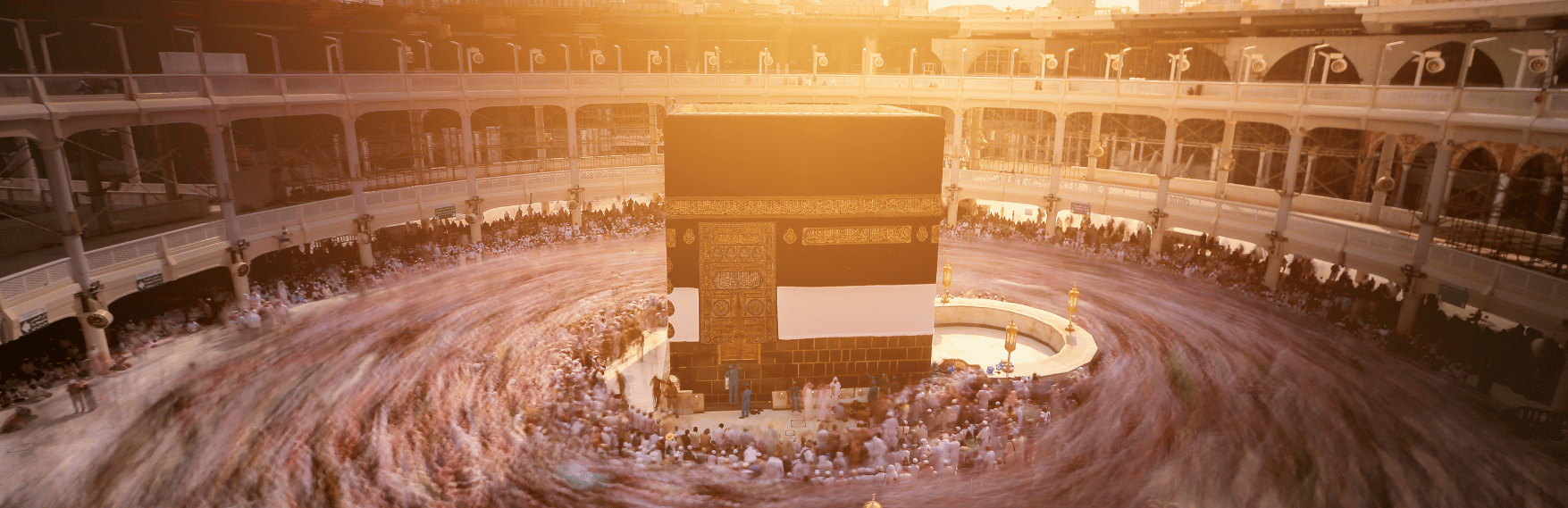
Umrah consists of four mandatory acts that must be performed in sequence: entering the state of Ihram, performing Tawaf (circumambulation of the Kaaba), performing Sai (walking between Safa and Marwah), and completing Halq (shaving the head) or Taqsir (shortening the hair). Each component holds spiritual significance and must be performed correctly for the Umrah to be valid.
Detailed Step-by-Step Umrah Procedure
Following the proper sequence and understanding the significance of each act helps pilgrims perform Umrah with consciousness and devotion.
Step 1 - Entering Ihram
Before reaching the Miqat (the designated boundary points around Makkah), pilgrims must prepare for Ihram. This preparation involves several important steps to ensure physical and spiritual readiness.
Physical Preparation: Perform Ghusl (full ritual bath) with the intention of Ihram. Trim fingernails and toenails, remove hair from underarms and below the navel following Islamic guidelines for personal hygiene, and ensure the body is clean. Men should trim their mustaches if needed. Both men and women may apply perfume to their body (not to the Ihram garments) before entering Ihram, as this was the practice of the Prophet (peace be upon him).
Wearing Ihram Garments: Men wear two pieces of unstitched white cloth—the Izar (wrapped around the waist covering the lower body from navel to ankles) and the Rida (draped over the upper body, covering one shoulder initially, with both shoulders covered during Tawaf). Footwear should expose the heels. Women wear their regular modest clothing without specific color requirements, ensuring their entire body is covered except the face and hands. The face covering, if worn in the presence of non-Mahram men, should not touch the face directly.
Making Intention and Talbiyah: Before or upon reaching the Miqat, pray two Rakats of Nafl Salah if it is not a prohibited time for prayer. Make the intention (Niyyah) for Umrah in your heart. The intention does not need to be spoken aloud, though some scholars permit saying: "Allahumma inni ureedul Umrata fayassirha li wa taqabbalha minni" (O Allah, I intend to perform Umrah, so make it easy for me and accept it from me).
Immediately after making intention, begin reciting the Talbiyah loudly for men (women recite softly): "Labbayka Allahumma labbayk, labbayka la shareeka laka labbayk, inna al-hamda wan-ni'mata laka wal-mulk, la shareeka lak." Continue reciting this frequently until you begin Tawaf.
Ihram Restrictions: Once in Ihram, certain actions become prohibited: applying perfume, cutting hair or nails, covering the head for men or face with attached coverings for women, wearing sewn garments or clothes with stitching for men, intimate relations with spouse, marriage contracts, hunting or killing animals (except harmful creatures), and engaging in arguments, disputes, or sinful behavior.
Step 2 - Performing Tawaf
Upon entering Masjid al-Haram, it is recommended to enter with the right foot first while reciting: "Bismillah, wassalatu wassalamu ala Rasulillah, Allahumma aftah li abwaba rahmatik" (In the name of Allah, and prayers and peace be upon the Messenger of Allah. O Allah, open for me the doors of Your mercy).
Preparing for Tawaf: Ensure you have Wudu (ablution). Men should perform Idtiba—uncovering the right shoulder by placing the Rida under the right armpit and over the left shoulder. This is maintained throughout Tawaf and Sai, then adjusted back to covering both shoulders.
Starting Tawaf: Approach the Black Stone (Hajar al-Aswad) from the right side. The starting point is aligned with the Black Stone. If possible, kiss the Black Stone; if not, touch it with your hand and kiss your hand; if neither is possible due to crowds, face it, raise your hands and say "Bismillah, Allahu Akbar" (In the name of Allah, Allah is the Greatest), then begin your Tawaf.
Performing Seven Circuits: Walk counter-clockwise around the Kaaba, keeping it on your left side. Men should perform Raml (brisk walking with short steps) during the first three circuits, then walk normally for the remaining four. Each complete circuit from Black Stone to Black Stone counts as one. Throughout Tawaf, you may recite Quran, make personal supplications in any language, or recite prescribed duas. Between the Yemeni corner (Rukn Yamani) and the Black Stone, it is Sunnah to recite: "Rabbana atina fid-dunya hasanatan wa fil-akhirati hasanatan wa qina adhaban-nar" (Our Lord, give us good in this world and good in the Hereafter, and protect us from the punishment of the Fire).
Touch the Yemeni corner if possible (without kissing it); if not possible due to crowds, continue without gesturing toward it. When passing the Black Stone at the end of each circuit, point toward it and say "Allahu Akbar" if you cannot touch or kiss it.
After Completing Tawaf: After seven circuits, adjust your Rida to cover both shoulders. Proceed to Maqam Ibrahim (Station of Ibrahim) if possible, or any place in the Haram, and pray two Rakats of Salah. Recite Surah al-Kafirun in the first Rakat and Surah al-Ikhlas in the second. After completing these two Rakats, make Dua. If possible, drink Zamzam water while standing and facing the Qibla, making supplication: "Allahumma inni as'aluka ilman nafi'an wa rizqan wasi'an wa shifa'an min kulli da" (O Allah, I ask You for beneficial knowledge, abundant provision, and healing from every disease).
Step 3 - Performing Sai
Sai involves walking seven times between the hills of Safa and Marwah, commemorating Hajar's (Hagar's) search for water for her infant son Ismail (Ishmael). This ritual demonstrates complete trust in Allah's provision and mercy.
Going to Safa: Exit through the Safa gate. Upon approaching Mount Safa, it is Sunnah to recite the verse: "Inna as-Safa wal-Marwata min sha'a'irillah" (Indeed, Safa and Marwah are among the symbols of Allah) [Quran 2:158]. Then say: "Nabda'u bima bada'Allahu bihi" (We begin with what Allah began with). Climb Safa until the Kaaba is visible, face it, raise your hands in supplication, and make Takbir and Tahlil: "Allahu Akbar, Allahu Akbar, Allahu Akbar, La ilaha illallahu wahdahu la shareeka lah, lahul-mulku wa lahul-hamd, wa huwa ala kulli shay'in qadeer" (Allah is the Greatest, there is no god but Allah alone without partner, to Him belongs dominion and praise, and He is capable of all things). Make personal duas while facing the Kaaba.
Walking to Marwah: Descend from Safa and walk toward Marwah. Men should walk briskly (but not run) between the two green markers/lights, then resume normal walking. Women maintain normal pace throughout. Engage in dhikr, dua, or Quran recitation during the walk. Upon reaching Marwah, ascend it, face the Qibla, raise your hands and repeat the supplications made at Safa. This completes one circuit.
Completing Seven Circuits: Return from Marwah to Safa, counting this as the second circuit. Continue until you complete seven circuits, ending at Marwah. Safa to Marwah is one circuit, and Marwah to Safa is another. There is no specific dua that must be recited during Sai; pilgrims may make any personal supplications or recite Quran.
Step 4 - Halq or Taqsir
After completing Sai, the final step is cutting the hair. Men have two options: Halq (shaving the entire head) or Taqsir (shortening the hair by cutting at least the length of a fingertip from all over the head). Shaving is preferred and more rewarding. Women perform Taqsir only, cutting approximately one inch (fingertip length) from the ends of their hair. This should be done evenly from the hair overall.
With the completion of Halq or Taqsir, all Ihram restrictions are lifted, and the Umrah is complete. Pilgrims may now wear regular clothes, apply perfume, and resume normal activities. It is recommended to pray two Rakats of gratitude and make dua, thanking Allah for the opportunity to complete this sacred journey.
Performing Umrah correctly according to the Quran and authentic Sunnah brings immense spiritual rewards and strengthens one's connection with Allah. Pilgrims from Kerala who understand and follow these steps can complete their Umrah with confidence and devotion. May Allah accept the Umrah of all pilgrims and grant them forgiveness and spiritual elevation.